

Introduction
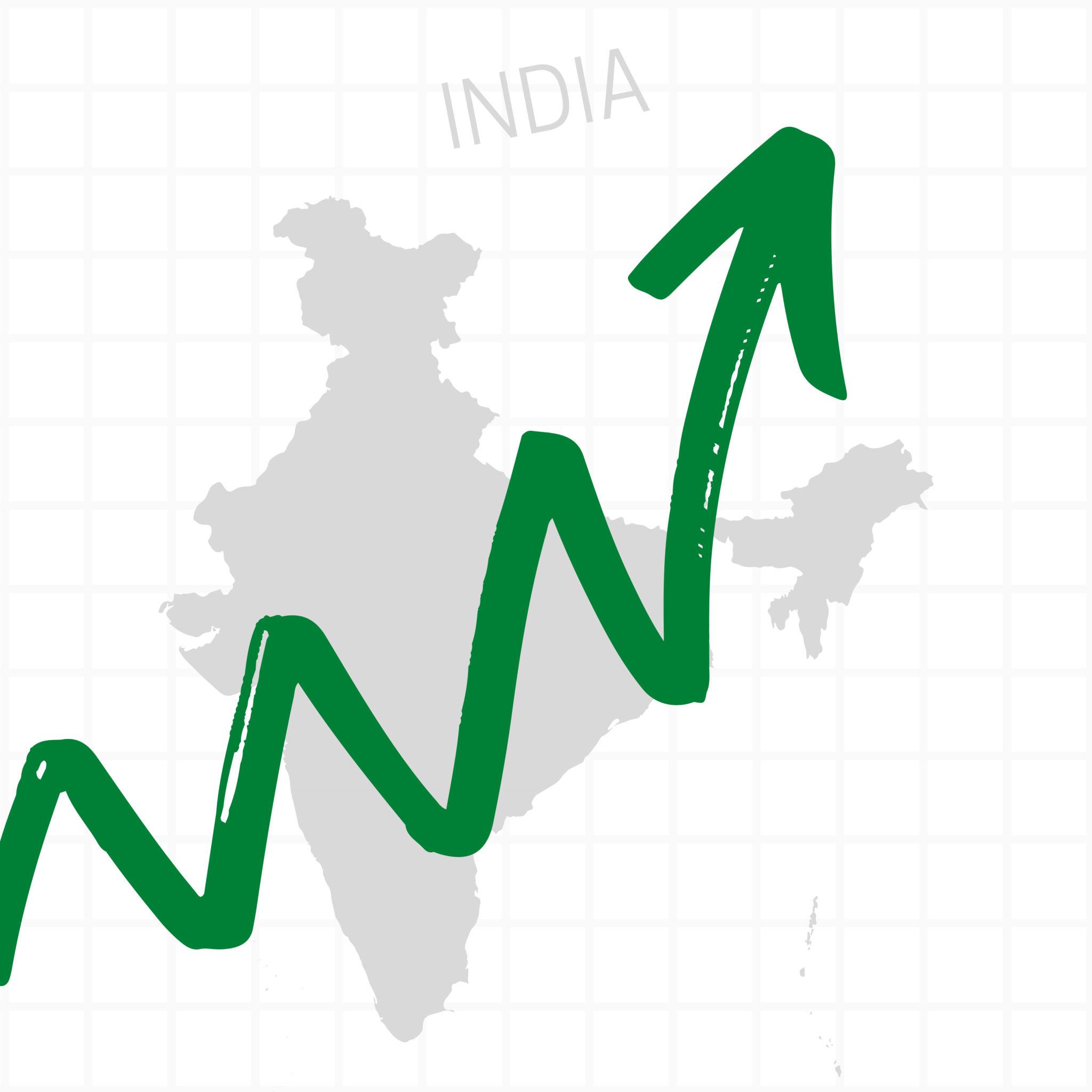
Amid global economic uncertainty, India’s economy in 2026 is showing relative resilience. While several major economies are experiencing slower growth, India continues to benefit from strong domestic demand, infrastructure expansion, and policy-driven manufacturing growth.
Economic analysts suggest that although growth may moderate slightly compared to previous years, structural fundamentals remain supportive.
Current GDP Growth Trends
India’s Gross Domestic Product (GDP) growth in 2026 is being shaped by multiple internal and external factors:
- Strong services sector performance
- Government capital expenditure
- Rising digital economy contribution
- Stable agricultural output
However, global trade slowdown and inflation pressures present ongoing challenges.
Key Drivers of Growth
1. Infrastructure Investment
Public infrastructure projects — including highways, rail corridors, ports, and urban development — continue to stimulate economic activity and create employment.
2. Manufacturing Push
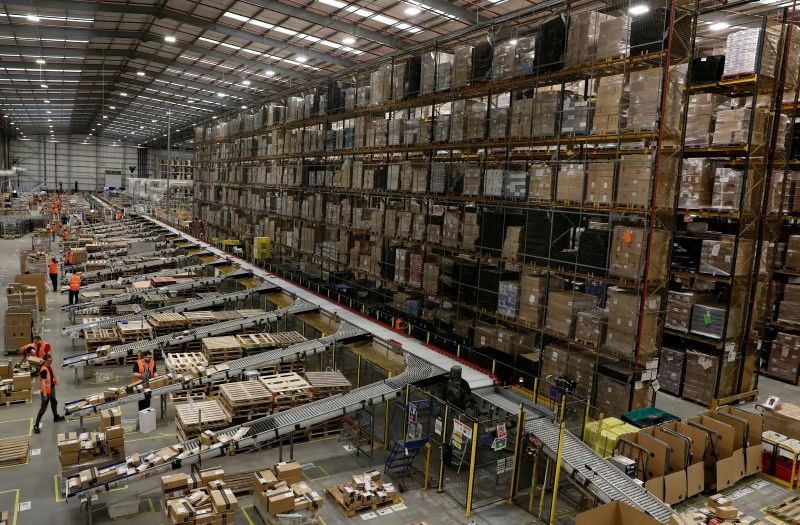
Initiatives supporting domestic manufacturing are improving India’s competitiveness. Increased production capacity in electronics, defense, and renewable energy sectors is contributing positively to output.
3. Digital Economy Expansion
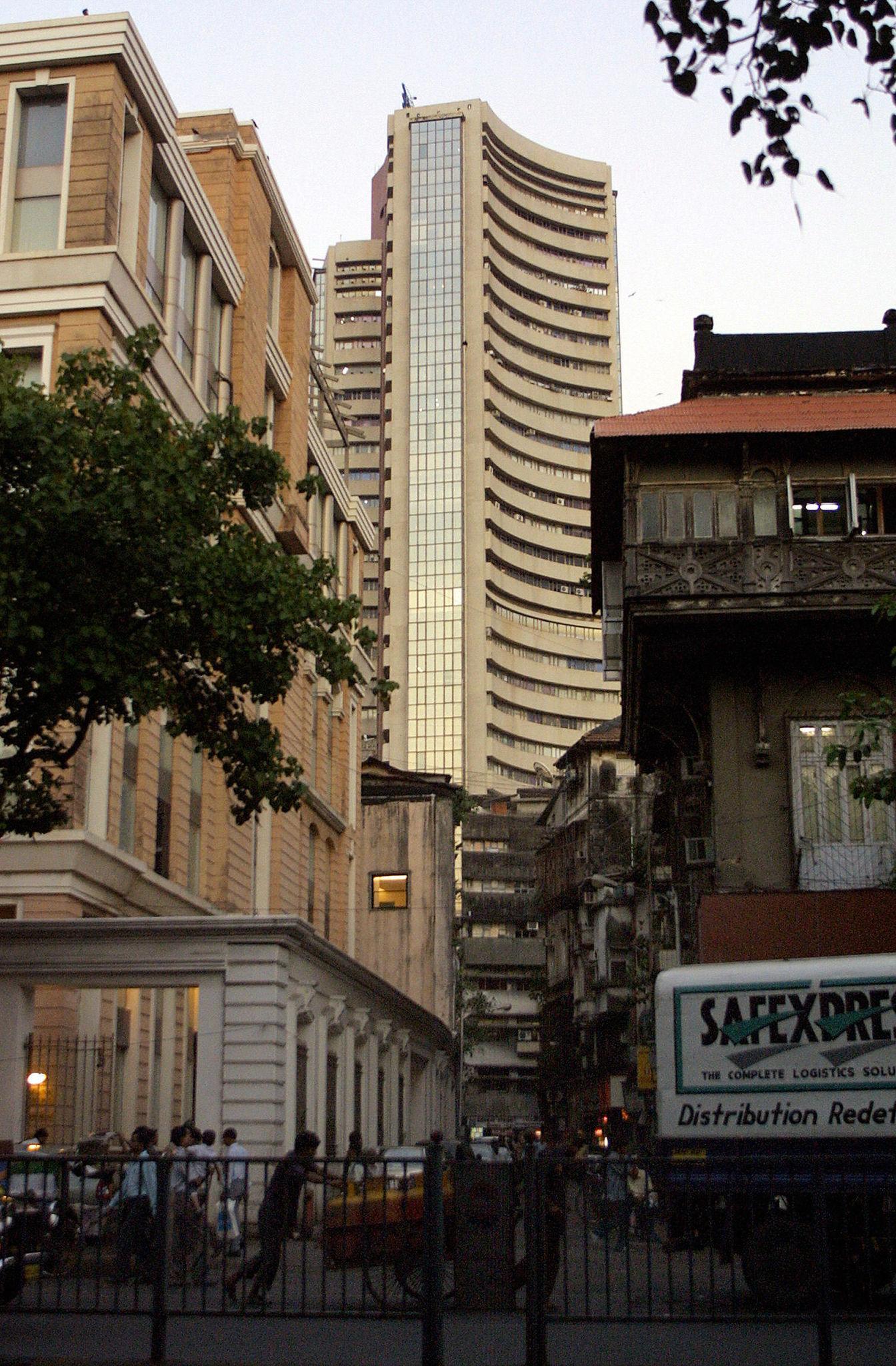
India’s digital ecosystem — including fintech, e-commerce, and IT services — remains one of the fastest-growing segments of the economy.
4. Consumption Growth
Urban consumption remains stable, supported by improving income levels and rising credit availability.
External Risks
Despite domestic strength, certain global factors could influence growth:
- Slower export demand from developed economies
- Energy price volatility
- Currency fluctuations
- Geopolitical tensions
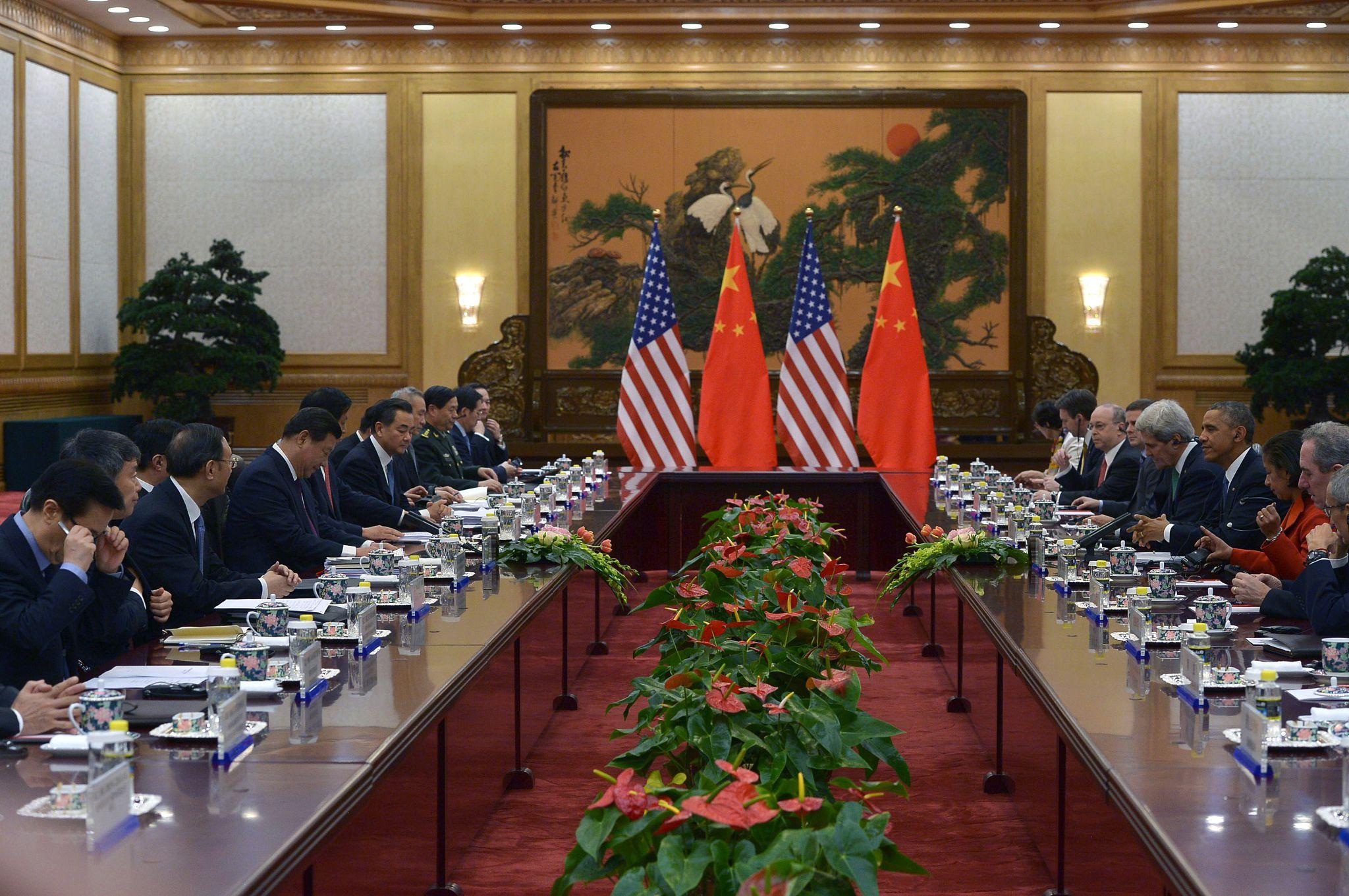
India’s trade exposure means global trends cannot be ignored.
Inflation and Monetary Policy
Inflation remains a key concern in 2026. Policymakers are balancing price stability with growth support. Stable inflation trends are critical for sustaining consumer confidence and investment flows.
Interest rate decisions will continue to influence housing, corporate borrowing, and capital investment.
Employment and Job Market
Employment generation remains a central policy focus. Growth in:
- Technology services
- Manufacturing
- Logistics
- Infrastructure
is supporting job creation, though skill development remains essential for long-term sustainability.
Rural vs Urban Economy
While urban consumption shows resilience, rural demand is influenced by agricultural output and monsoon patterns. Stable agricultural performance is crucial for balanced economic growth.
Long-Term Outlook
Over the next five years, India’s economic trajectory will depend on:
- Continued policy reforms
- Ease of doing business
- Foreign investment flows
- Education and skill development
Structural reforms and sustained capital investment could help India maintain its position among the fastest-growing major economies.
Conclusion
India’s GDP outlook for 2026 reflects cautious optimism. Although global uncertainties persist, strong domestic fundamentals provide a stable foundation for growth.
Balanced fiscal management, inflation control, and sustained investment will be key to maintaining momentum.
❓ Frequently Asked Questions
Is India’s economy slowing down in 2026?
Growth may moderate slightly, but India remains comparatively stable.
What sectors are driving GDP growth?
Services, manufacturing, infrastructure, and digital industries are key contributors.
How does global slowdown affect India?
Export demand and foreign investment flows can be impacted by global trends.

Leave a Reply