

Introduction
As the world’s largest democracy, India’s general elections always attract significant national and international attention. With the 2026 election season approaching, major political parties are beginning to shape their strategies, policy priorities, and campaign narratives.
The election will determine the composition of the next Lok Sabha and shape the country’s policy direction for the coming years.
Current Political Environment
India’s political landscape remains dynamic, with national parties and regional players both playing influential roles. The ruling party continues to highlight achievements in infrastructure, digital expansion, and economic reforms, while opposition alliances are focusing on employment, inflation, and social welfare concerns.
Regional parties are expected to play a decisive role in several states, making coalition strategies particularly important.
Key Issues Likely to Dominate the Election
1. Employment and Economic Growth
Job creation remains a top concern for young voters. Policymakers are under pressure to generate sustainable employment opportunities across urban and rural areas.
Economic growth, inflation management, and MSME support are expected to feature prominently in campaign speeches.
2. Infrastructure and Development
Over the past few years, India has invested heavily in highways, railways, digital connectivity, and urban development. Political parties are likely to debate:
- Infrastructure spending efficiency
- Smart city initiatives
- Rural connectivity programs
- Manufacturing growth
3. Social Welfare Programs
Welfare schemes targeting rural households, women, and economically weaker sections may play a significant role in voter decision-making. Parties are expected to announce new benefit programs or enhancements to existing schemes.
4. Foreign Policy and National Security
India’s global positioning, regional diplomacy, and defense modernization will likely be discussed. Voters may evaluate how international partnerships impact economic and strategic interests.
Role of Youth and First-Time Voters
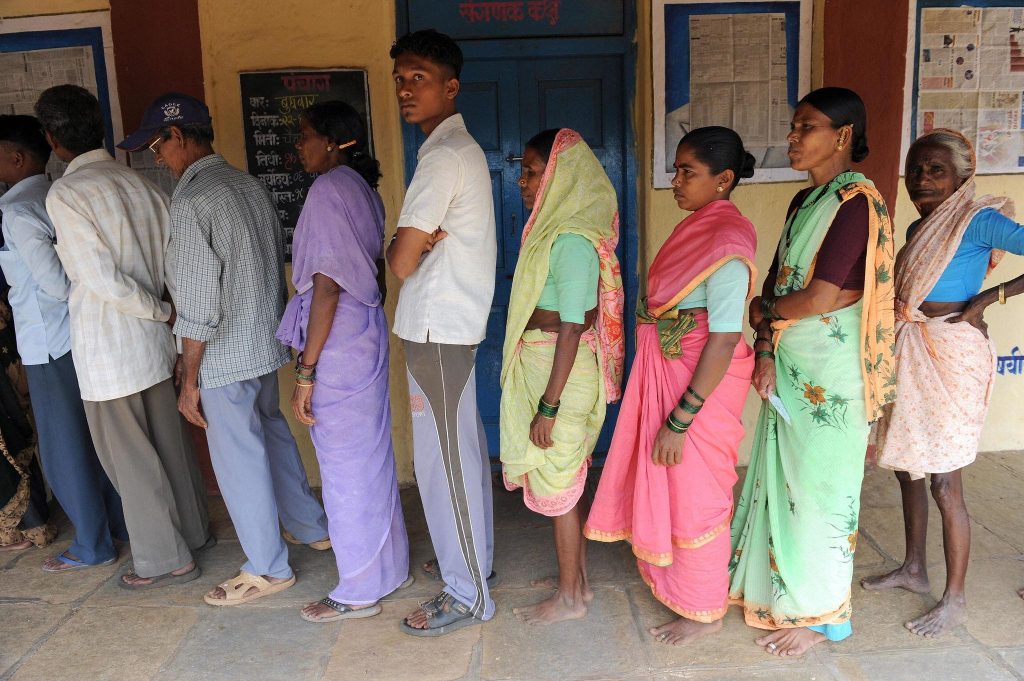
With millions of first-time voters expected to participate, youth engagement could influence outcomes significantly. Issues such as:
- Digital economy opportunities
- Startup ecosystem growth
- Education reforms
- Skill development programs
are likely to resonate strongly among younger demographics.
Technology in Elections
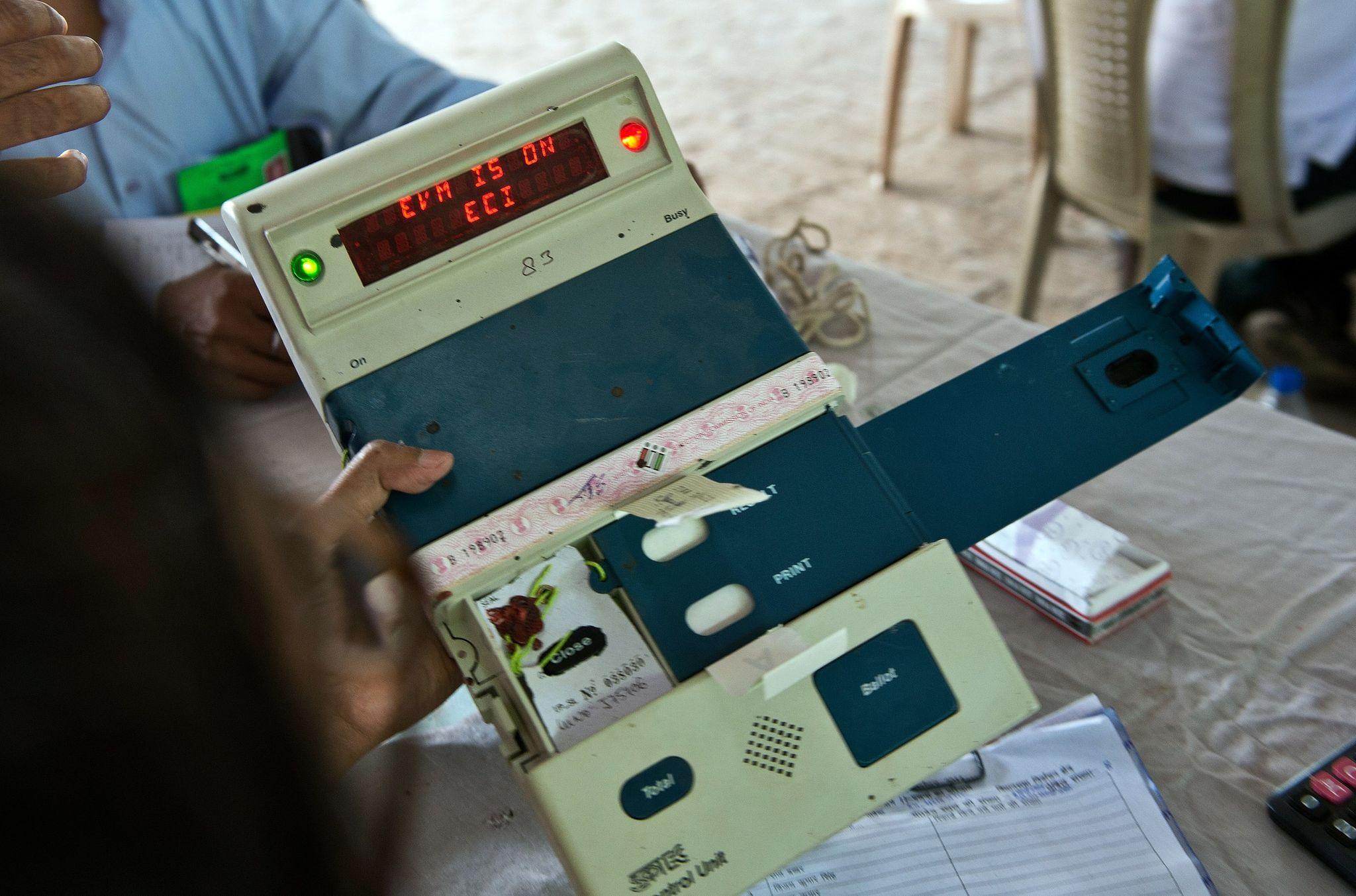
The use of electronic voting machines (EVMs), digital campaigning, and social media outreach continues to evolve. Political parties are investing heavily in data analytics and targeted communication strategies.
Election authorities are also working to ensure transparency and secure voting processes.
Potential Alliances and Coalitions
Given India’s multi-party system, pre-poll and post-poll alliances could determine final seat distributions. Regional dynamics in states like Uttar Pradesh, Maharashtra, West Bengal, and Tamil Nadu may prove decisive.
Coalition negotiations are expected to intensify as the election approaches.
What Voters Should Expect
Voters can anticipate:
- Nationwide rallies and debates
- Policy-focused manifestos
- Increased digital outreach
- Heightened political discussions
Election Commission announcements regarding timelines and voting phases are expected closer to the election year.
Conclusion
The 2026 general election is set to be a significant event in India’s democratic journey. With economic, social, and geopolitical factors shaping public discourse, voters will play a critical role in determining the country’s future direction.
As campaigns intensify, informed participation and constructive debate will remain essential to the democratic process.
❓ Frequently Asked Questions
When will the 2026 general election take place?
The official schedule will be announced by the Election Commission closer to the election period.
What are the major issues in the upcoming election?
Employment, economic growth, welfare programs, infrastructure, and national security are expected to be central topics.
How important are regional parties?
Regional parties often play a crucial role in coalition governments and can significantly influence results.




Leave a Reply