

Introduction
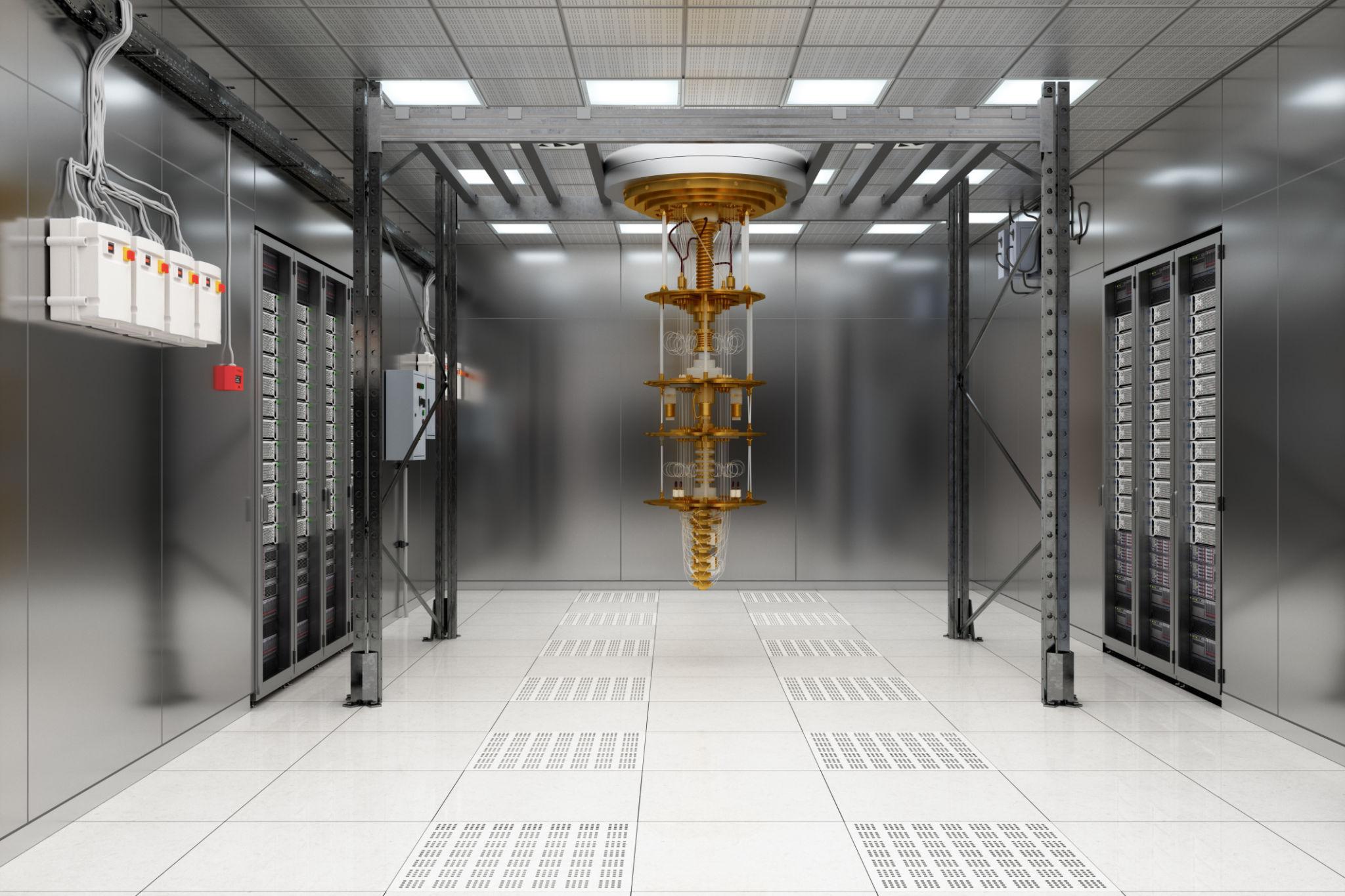
Quantum computing, once considered purely experimental, is making measurable progress in 2026. Leading technology companies and research institutions are reporting improved stability, error correction advancements, and higher qubit counts — bringing practical quantum applications closer to reality.
Although widespread commercial deployment may still take time, the momentum suggests transformative potential across industries.
What Is Quantum Computing?
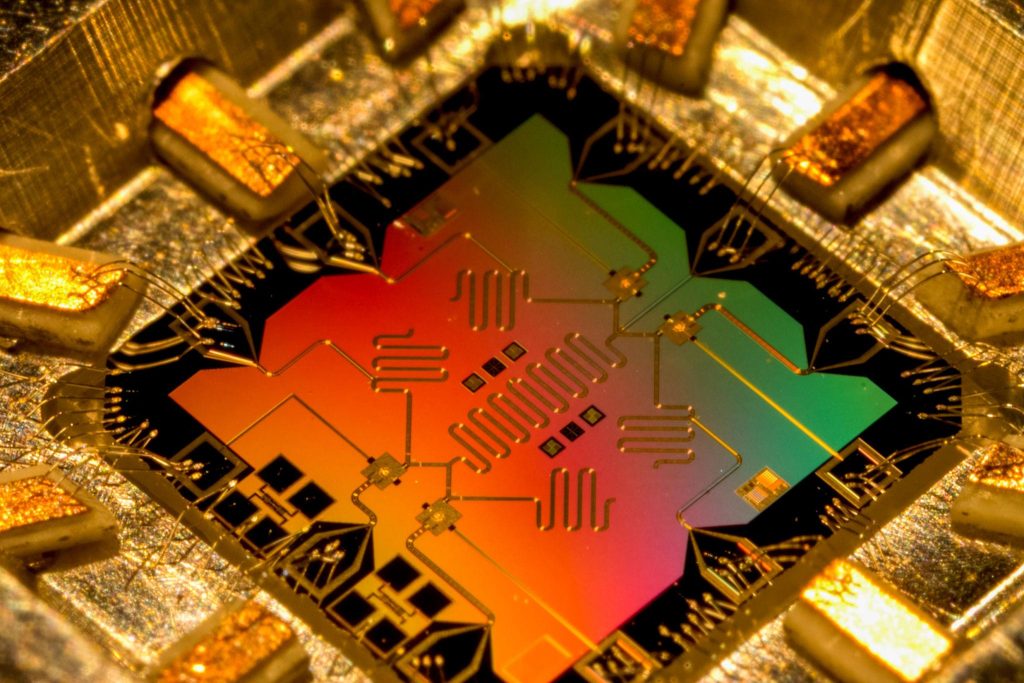
Unlike classical computers that use bits (0 or 1), quantum computers use qubits, which can exist in multiple states simultaneously. This allows them to process certain complex calculations far more efficiently.
Quantum computing is particularly suited for:
- Complex simulations
- Cryptography research
- Financial modeling
- Drug discovery
Major Breakthroughs in 2026
1. Improved Error Correction
One of the biggest challenges in quantum computing has been stability. Researchers have made progress in reducing computational errors, improving reliability.
2. Higher Qubit Scalability
Increased qubit counts allow more complex calculations. While still not at full-scale commercial levels, growth in processing power is notable.
3. Industry Collaboration
Partnerships between tech companies, universities, and governments are accelerating research funding and experimentation.
Impact on Cybersecurity
Quantum computing could potentially disrupt current encryption systems. Many modern security protocols rely on mathematical problems that classical computers struggle to solve — but quantum systems may handle more efficiently.
As a result, cybersecurity researchers are developing “quantum-resistant” encryption standards to prepare for future risks.
Financial Sector Applications
Banks and investment firms are exploring quantum algorithms for:
- Risk analysis
- Portfolio optimization
- Fraud detection modeling
- High-speed data simulations
If scalable, quantum computing could significantly enhance predictive analytics.
Healthcare and Pharmaceutical Research
Drug discovery often involves complex molecular simulations that require massive computational power. Quantum computing could accelerate this process, potentially reducing research timelines.
Medical research institutions are closely monitoring developments.
Challenges Still Ahead
Despite progress, significant barriers remain:
- High infrastructure costs
- Cryogenic cooling requirements
- Hardware stability limitations
- Need for specialized talent
Commercial adoption will depend on overcoming these technical and economic constraints.
Global Competition
Countries including the United States, China, and members of the European Union are investing heavily in quantum research programs. Technology leadership in this area is increasingly viewed as strategically important.
The race for quantum supremacy continues, though practical business applications are still emerging.
What This Means for the Future
Quantum computing may not replace classical systems but rather complement them. Hybrid computing models combining classical and quantum resources could become common in advanced research and enterprise environments.
The coming decade will determine how quickly theoretical breakthroughs translate into commercial solutions.
Conclusion
The progress seen in quantum computing during 2026 marks an important milestone in technological innovation. While mainstream deployment remains years away, industries are preparing for a future where quantum systems could reshape data processing, cybersecurity, and scientific discovery.
Cautious optimism defines the current outlook — with transformative potential on the horizon.
❓ Frequently Asked Questions
Is quantum computing available commercially?
Limited experimental systems exist, but large-scale commercial adoption is still developing.
Will quantum computers replace traditional computers?
Most experts believe they will complement rather than replace classical systems.
Is encryption at risk?
Researchers are working on quantum-resistant encryption to prepare for future developments.







Leave a Reply