

Introduction
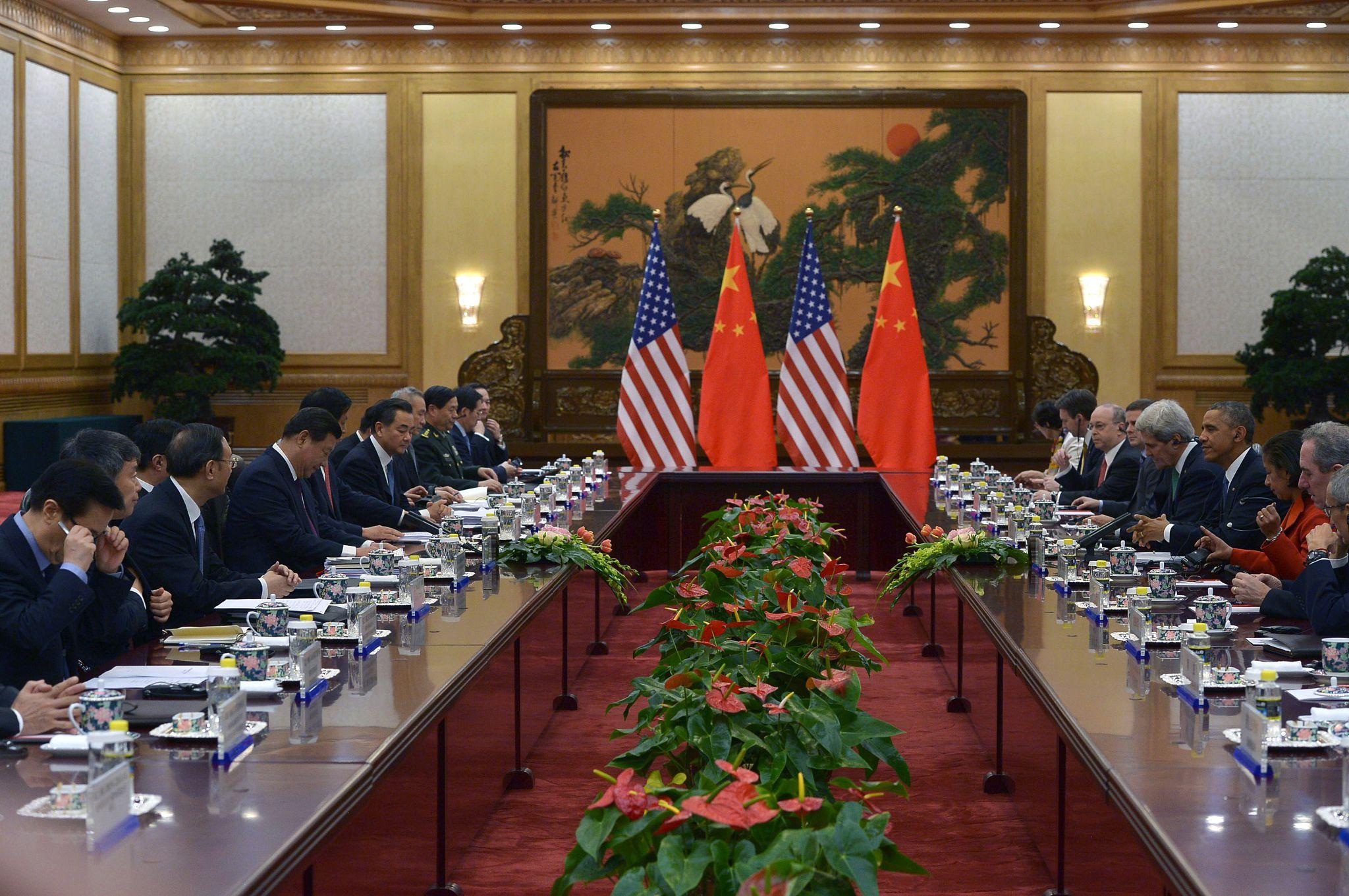
Relations between the United States and China remain one of the most influential geopolitical dynamics in 2026. From trade policies to semiconductor technology and regional security concerns, the interaction between these two global powers continues to shape the international economic and strategic environment.
While diplomatic dialogue continues, areas of competition remain significant.
Trade Relations: Stability with Strategic Caution
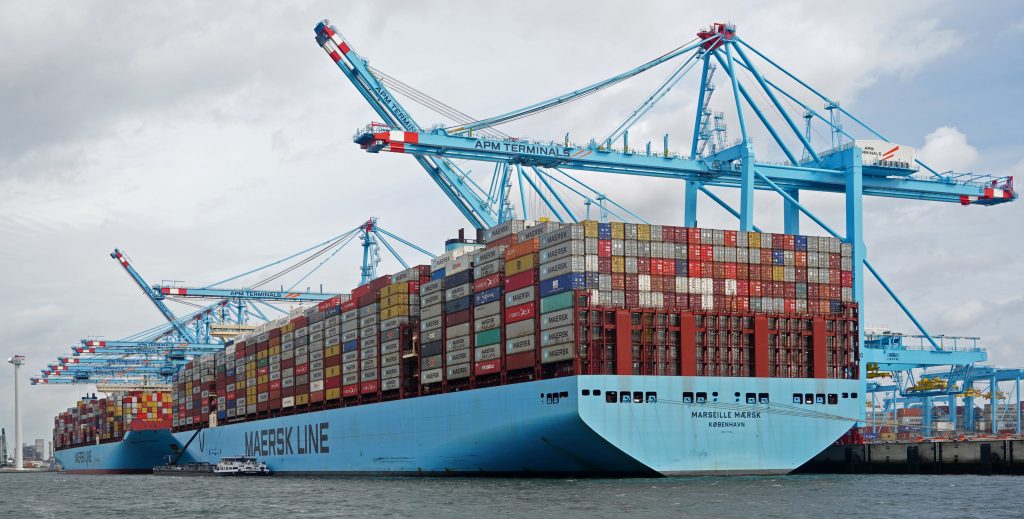
Bilateral trade volumes remain substantial despite tariff disputes and regulatory restrictions. Businesses on both sides continue to navigate:
- Supply chain diversification
- Export controls on advanced technology
- Tariff adjustments
- Investment screening policies
Global markets closely monitor developments, as shifts in US–China trade policy often impact commodity prices and manufacturing trends worldwide.
Technology Competition
Technology remains a central area of strategic competition.
🔬 Semiconductor Industry
Restrictions on advanced chip exports have influenced global semiconductor supply chains. Both nations are investing heavily in domestic chip manufacturing capacity to reduce dependency.
🤖 Artificial Intelligence and Innovation
AI research, quantum computing, and advanced manufacturing technologies are becoming strategic priorities. Innovation rivalry continues to drive increased funding in research and development.
Regional Security Concerns
The Indo-Pacific region remains a focal point of strategic interest. Diplomatic engagement, defense cooperation, and maritime activity are closely observed by global stakeholders.
International alliances and regional partnerships play a key role in maintaining stability.
Economic Ripple Effects
The global economy is sensitive to US–China policy decisions. Effects include:
- Currency fluctuations
- Commodity price volatility
- Stock market movements
- Investment flow adjustments
Emerging markets often experience indirect impacts through trade linkages and capital flows.
Areas of Cooperation
Despite competition, certain areas of collaboration continue:
- Climate change discussions
- Global health initiatives
- Multilateral economic forums
- Diplomatic engagement channels
Maintaining open communication remains essential for global stability.
What This Means for India and Other Nations
Countries like India, Japan, and members of the European Union are balancing economic partnerships while navigating geopolitical considerations.
India, in particular, has opportunities in supply chain diversification, manufacturing growth, and technology collaboration as global companies reassess production strategies.
Future Outlook
Experts predict that strategic competition will persist, but complete economic decoupling remains unlikely in the near term. Managed competition combined with selective cooperation may define the relationship in 2026 and beyond.
Global policymakers emphasize stability and conflict avoidance through diplomatic engagement.
Conclusion
US–China relations continue to influence global trade, technology development, and geopolitical alignment in 2026. While challenges remain, structured dialogue and economic interdependence provide incentives for stability.
The direction of this relationship will significantly impact global markets and international diplomacy in the years ahead.
❓ Frequently Asked Questions
Are US–China relations improving in 2026?
Relations remain complex, with both cooperation and competition continuing simultaneously.
How does this affect global markets?
Trade policies and technology restrictions can influence stock markets, currency movements, and commodity prices.
Is complete economic separation likely?
Most analysts believe full decoupling is unlikely in the short term due to deep economic interdependence.






Leave a Reply