

Introduction
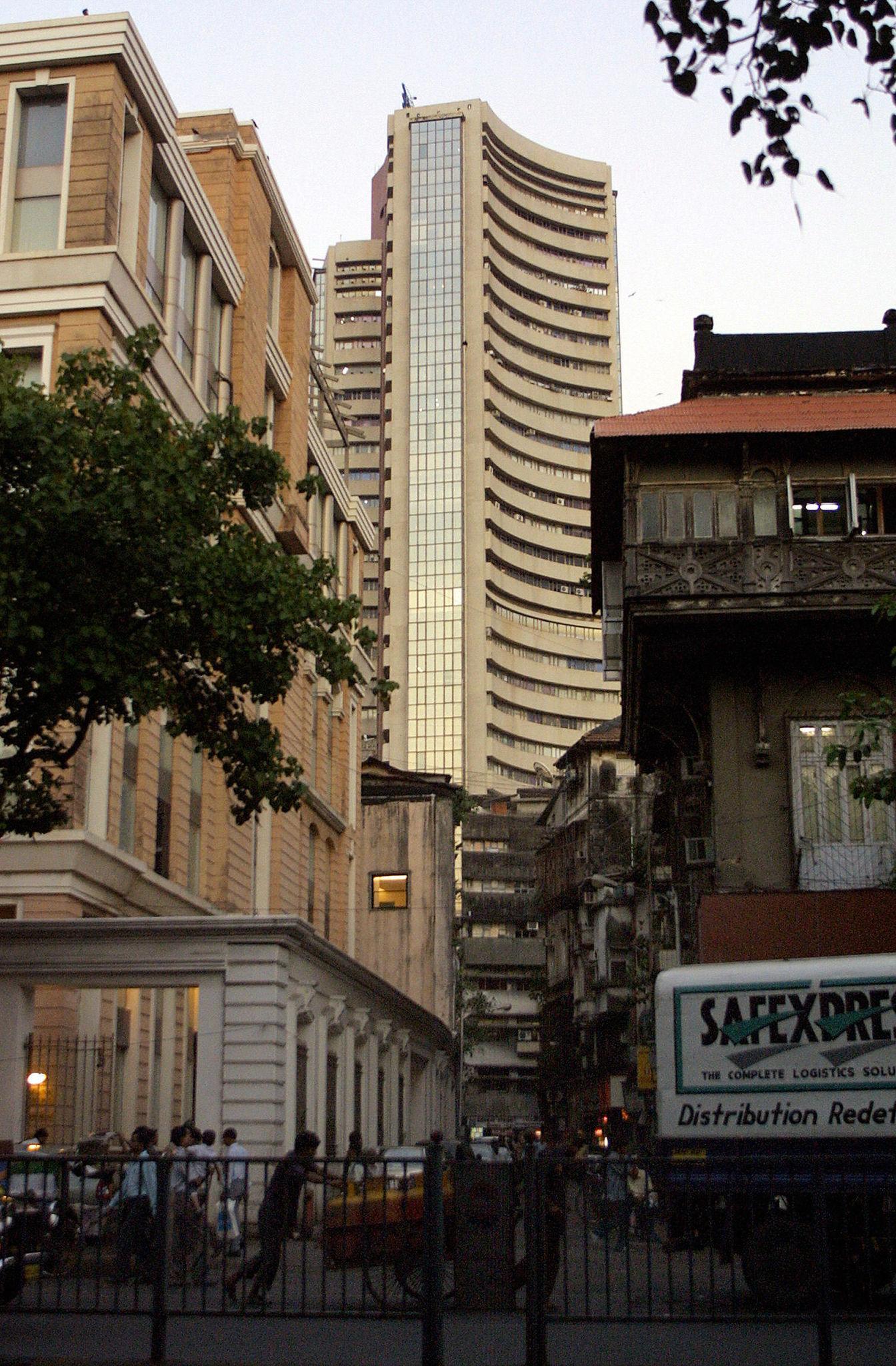
India’s equity markets have entered a phase of heightened volatility in 2026, reflecting global economic pressures, interest rate uncertainty, and shifting investor sentiment. Benchmark indices such as the BSE Sensex and NIFTY 50 have experienced sharp intraday swings, prompting both caution and opportunity among investors.
While long-term fundamentals remain relatively strong, short-term uncertainty is influencing trading patterns.
What Is Driving Market Volatility?
1. Global Economic Slowdown
Weak demand from major economies has impacted export-driven sectors. International market corrections are also influencing foreign portfolio investment flows into India.
2. Interest Rate Uncertainty
Central banks globally continue to balance inflation control with growth stimulation. Any change in rate outlook directly affects banking, real estate, and capital-intensive industries.
3. Foreign Institutional Investor (FII) Activity
Large capital inflows and outflows by FIIs are creating rapid market fluctuations. When global risk appetite decreases, emerging markets like India often experience capital withdrawals.
4. Corporate Earnings Variability
Mixed quarterly earnings reports across sectors have contributed to stock-specific volatility.
Sector-Wise Performance Overview
📊 Information Technology
IT stocks are reacting to slower global tech spending. However, long-term digital transformation trends remain supportive.
🏦 Banking & Financial Services
Private banks are showing resilience, supported by stable credit growth and improved asset quality.
🚗 Automobile Sector
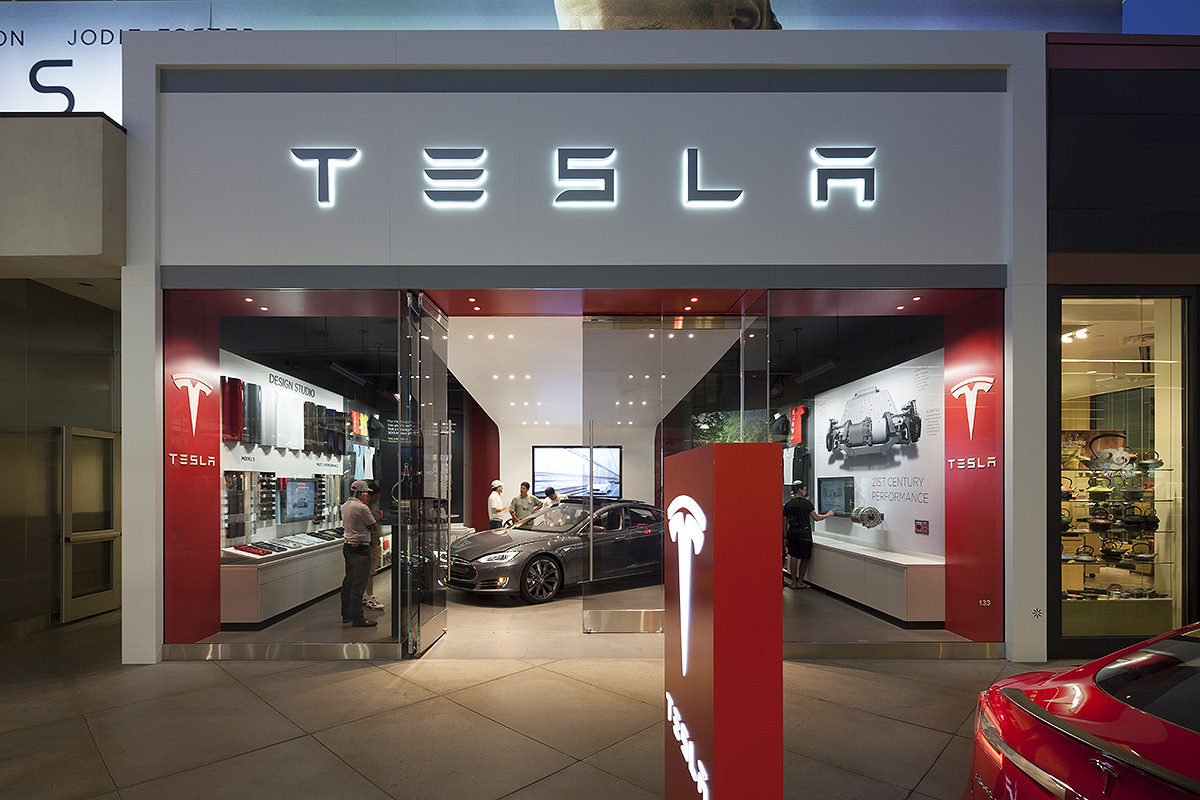
EV-related stocks are attracting investor attention, especially amid discussions of international manufacturers entering India.
🏗 Infrastructure & Capital Goods
Government spending continues to support infrastructure-linked companies, providing relative stability.
How Retail Investors Are Responding
Retail participation remains strong despite market swings. Many investors are:
- Increasing SIP (Systematic Investment Plan) allocations
- Diversifying portfolios
- Shifting toward defensive sectors
- Holding long-term positions rather than engaging in high-frequency trading
Financial advisors emphasize disciplined investing during volatile phases.
Risk Management Strategies
Experts suggest the following approaches:
- Maintain diversified portfolios
- Avoid panic-driven selling
- Focus on strong fundamentals
- Keep adequate liquidity
- Review asset allocation periodically
It is important to note that market volatility can create both risks and opportunities.
Long-Term Outlook
Despite short-term turbulence, India’s economic growth projections remain relatively stable compared to many global peers. Structural drivers such as:
- Digital expansion
- Infrastructure development
- Rising domestic consumption
- Manufacturing initiatives
continue to support long-term equity market potential.
However, geopolitical developments and inflation trends will remain critical factors.
What Should New Investors Know?
For first-time investors, volatile markets can appear intimidating. However, historically, disciplined long-term investing has helped mitigate short-term fluctuations.
Understanding personal risk tolerance and consulting certified financial advisors is recommended before making investment decisions.
Conclusion
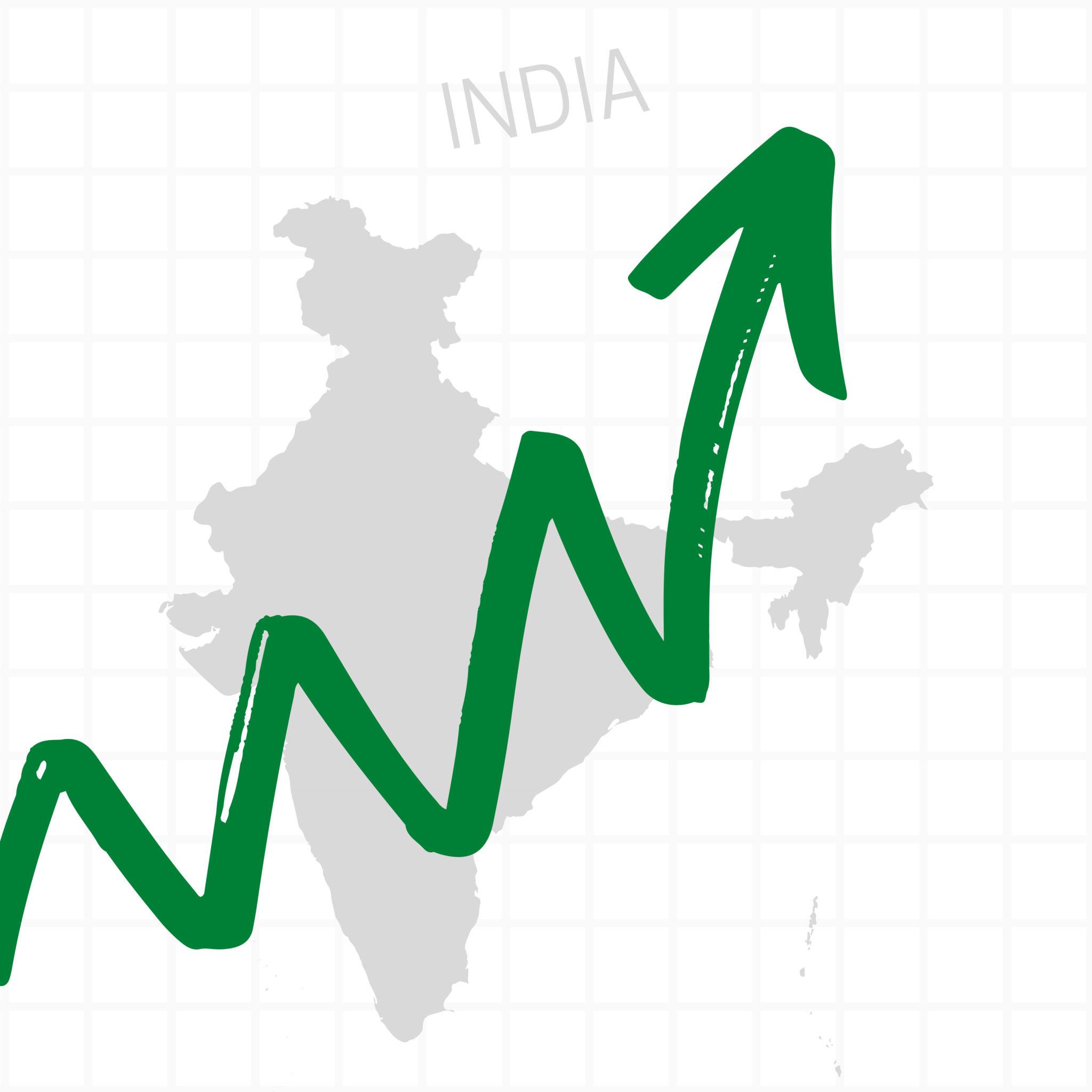
The Indian stock market in 2026 is navigating a period of uncertainty shaped by global and domestic factors. While volatility may persist in the near term, structural growth drivers provide optimism for long-term investors.
Staying informed, diversified, and disciplined remains essential in dynamic market conditions.
❓ Frequently Asked Questions
Why is the Indian stock market volatile in 2026?
Global economic uncertainty, interest rate changes, and investor flows are major contributors.
Is this a market crash?
Current movements reflect volatility rather than a systemic crash.
Should investors stop SIPs during volatility?
Many experts recommend continuing disciplined investment strategies rather than timing the market.




Leave a Reply