

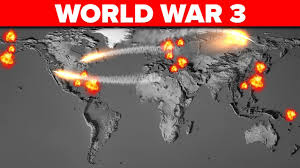
Concerns about a possible World War III have grown louder in recent years. From ongoing military conflicts to rising geopolitical tensions and economic warfare, many people are asking a serious question: Is the world heading toward another global war, or is this fear being exaggerated?
This article takes a fact-based, calm, and analytical look at the situation — separating real risks from speculation.
What Defines a World War?
A world war is not defined by a single conflict. Historically, it involves:
Multiple major powers directly involved
Military operations across several regions
Global economic and political disruption
Large-scale mobilization of resources and populations
World Wars I and II escalated gradually, not overnight. Both began as regional conflicts before expanding due to alliances, miscalculations, and failures in diplomacy.
Current Global Flashpoints Raising Concerns
- Europe and Eastern Tensions
The conflict in Eastern Europe has reshaped global security dynamics. Military aid, sanctions, and diplomatic standoffs have increased tensions between major power blocs, raising fears of direct confrontation.
- Middle East Instability
Long-standing regional conflicts continue to involve global powers through military support, arms supply, and strategic interests. Any major escalation risks drawing in multiple nations.
- Asia-Pacific Power Struggles
Territorial disputes, military drills, and strategic competition in the Asia-Pacific region have intensified. This area is considered one of the most sensitive zones for global stability.
The Role of Alliances and Military Blocs
Modern geopolitics is heavily shaped by alliances. Defense agreements mean that a conflict involving one country can quickly involve many others.
While alliances are designed to prevent war through deterrence, they also increase the risk that a regional conflict could escalate if diplomacy fails.
Economic Warfare: A New Front
Unlike past world wars, today’s conflicts often begin economically rather than militarily.
Sanctions targeting entire economies
Trade restrictions and supply chain disruptions
Currency and energy market manipulation
These measures can weaken nations without firing a shot, but they also increase resentment and long-term instability.
Nuclear Weapons: The Ultimate Deterrent
One major difference between today and the early 20th century is the presence of nuclear weapons.
Why this matters:
Nuclear war would be catastrophic for all sides
Major powers understand there would be no real winner
This creates strong incentives to avoid direct military confrontation
This reality has so far prevented global war, even during periods of extreme tension.
Information Warfare and Public Fear
Social media and 24-hour news cycles amplify fear faster than facts.
Sensational headlines attract attention
Speculation spreads faster than verified information
Public anxiety can rise even without immediate danger
Fear itself can become a tool — influencing markets, politics, and public opinion.
Reality Check: Are We Actually Near World War III?
Factors That Increase Risk
Multiple active conflicts worldwide
Weak international trust
Growing military spending
Rising nationalism
Factors That Reduce Risk
Strong economic interdependence
Nuclear deterrence
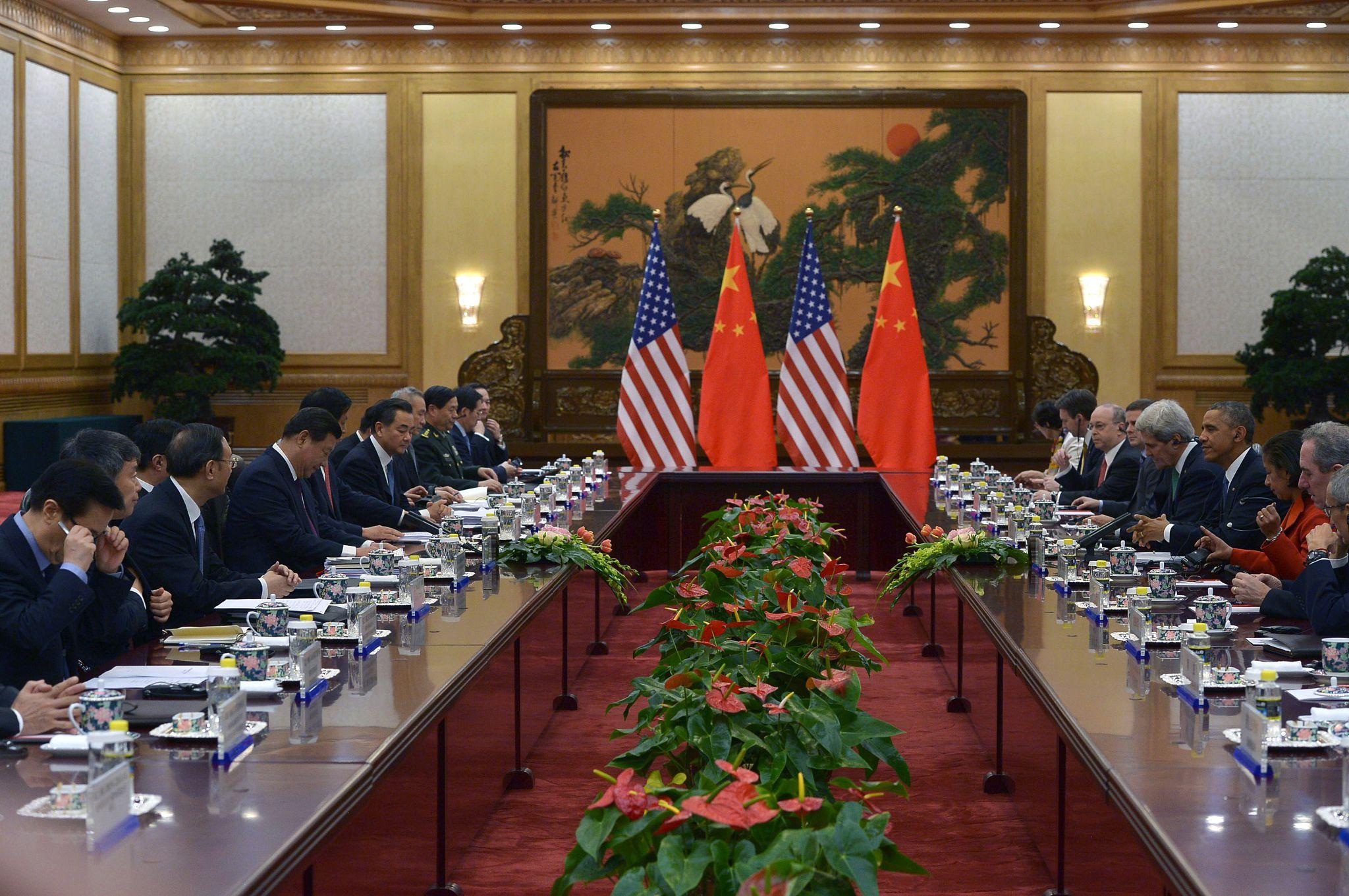
Diplomatic channels still active
Global institutions working to de-escalate crises
At present, there is no confirmed path toward a global war, but the international system is under strain.
Lessons from History
History shows that world wars begin not only due to aggression, but also due to:
Miscommunication
Poor crisis management
Underestimating consequences
Failure of diplomacy
These lessons continue to guide modern foreign policy decisions.
Conclusion
The fear of World War III reflects genuine global uncertainty, but fear alone does not equal inevitability.
While the world is experiencing one of the most complex geopolitical periods in decades, global leaders are also aware of the devastating consequences of large-scale war. The current situation demands vigilance, responsible leadership, and informed public understanding — not panic.





Leave a Reply