

Introduction
India’s e-commerce industry is witnessing sustained expansion in 2026, supported by rising internet penetration, digital payment adoption, and improved logistics networks. From metro cities to Tier-2 and Tier-3 towns, online retail is becoming an integral part of consumer behavior.
Industry analysts suggest that digital commerce is no longer limited to urban consumers — rural participation is steadily increasing.
Key Growth Drivers
1. Digital Payment Infrastructure
The rise of UPI and mobile wallets has simplified transactions, encouraging more consumers to shop online.
2. Expansion into Tier-2 and Tier-3 Cities
E-commerce platforms are focusing heavily on smaller cities, where demand for electronics, fashion, and household goods is increasing.
3. Faster Delivery Networks
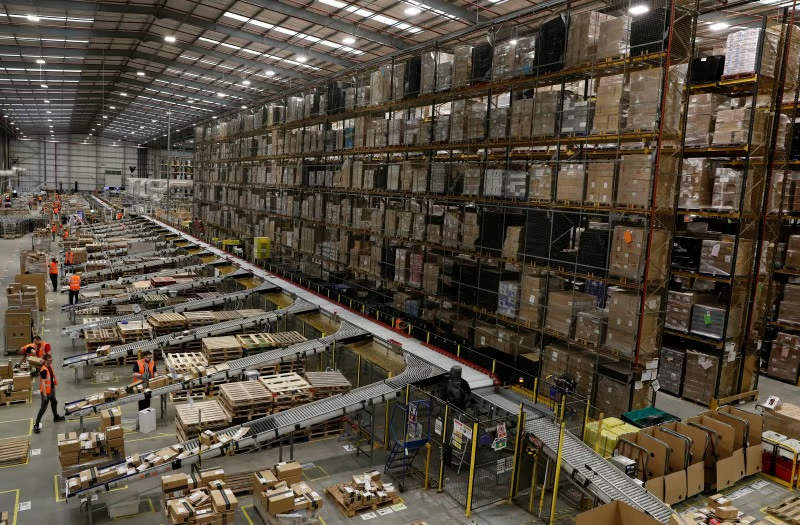
Improved warehousing, regional fulfillment centers, and last-mile delivery innovation are reducing shipping times.
4. Affordable Smartphones and Data
Wider access to affordable smartphones and low-cost internet plans continues to expand the digital consumer base.
‘Sector-Wise Expansion
🛍 Fashion & Apparel
Online fashion sales remain one of the fastest-growing segments, driven by discounts and influencer marketing.
📱 Electronics
Smartphones, home appliances, and accessories continue to see strong online demand.
🛒 Grocery & Essentials
Quick commerce and same-day delivery services are expanding rapidly in major cities.
🏠 Home & Lifestyle
Furniture, decor, and home improvement products are increasingly purchased online.
Role of Technology
AI-driven personalization, recommendation engines, and predictive analytics are improving customer experiences.
E-commerce platforms are investing in:
- Automated warehouses
- Data analytics systems
- Inventory optimization tools
- Fraud detection systems
Technology integration is improving operational efficiency and reducing returns.
Challenges Facing the Industry
Despite rapid growth, the sector faces several challenges:
- Intense competition
- High customer acquisition costs
- Logistics expenses
- Return and refund management
- Regulatory compliance
Sustainable profitability remains a key focus for many companies.
Impact on Traditional Retail
Brick-and-mortar stores are adapting by adopting omnichannel strategies, combining physical presence with online ordering systems.
Rather than complete replacement, hybrid retail models are emerging.
Investment and Market Outlook
Investors remain optimistic about long-term digital commerce growth. Capital inflows are targeting:
- Quick commerce platforms
- Logistics technology startups
- Direct-to-consumer (D2C) brands
- AI-driven retail analytics companies
Market projections indicate continued double-digit growth in the coming years.
What This Means for Consumers
Consumers benefit from:
- Wider product choices
- Competitive pricing
- Faster delivery
- Flexible return policies
However, informed purchasing and secure payment practices remain important.
Conclusion
India’s e-commerce industry in 2026 reflects structural digital transformation rather than temporary growth. With expanding internet penetration and improving logistics, the sector is poised for sustained expansion.
While profitability challenges persist, the long-term trajectory remains strong as digital retail becomes mainstream across the country.
❓ Frequently Asked Questions
Is e-commerce still growing in India?
Yes, especially in smaller cities and rural regions.
What sectors are leading growth?
Fashion, electronics, grocery, and home goods.
Are physical stores disappearing?
No, many retailers are adopting hybrid omnichannel models.




Leave a Reply