


Introduction
The global economy in 2026 is facing renewed turbulence as inflation pressures, geopolitical tensions, and declining consumer demand combine to slow growth across major economies. Analysts warn that while this may not be a full-scale financial crisis like 2008, the slowdown is significant enough to impact jobs, businesses, and investment worldwide.
From the United States to India and Europe, governments and central banks are adjusting policies to stabilize markets and protect economic growth.
What Is Causing the Slowdown?
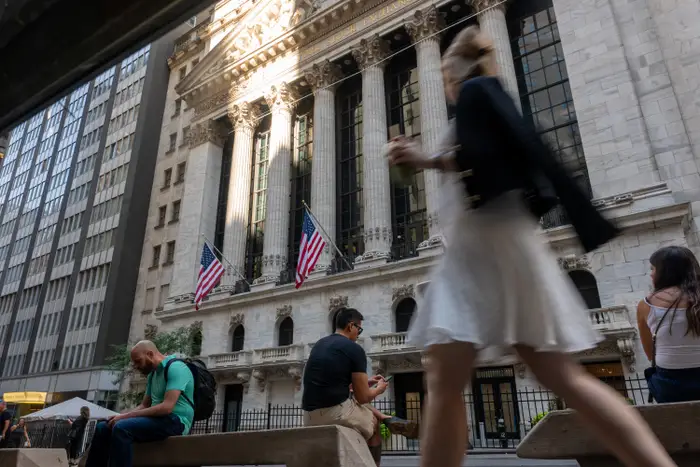
1. Persistent Inflation
Even after aggressive interest rate hikes in 2024 and 2025, inflation has remained stubborn in several major economies. High food and energy prices continue to pressure households.
2. High Interest Rates
Central banks such as the US Federal Reserve and European Central Bank maintained tighter monetary policies to combat inflation. Higher borrowing costs reduced corporate investment and slowed housing markets.
3. Geopolitical Uncertainty
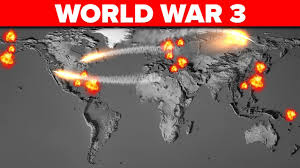
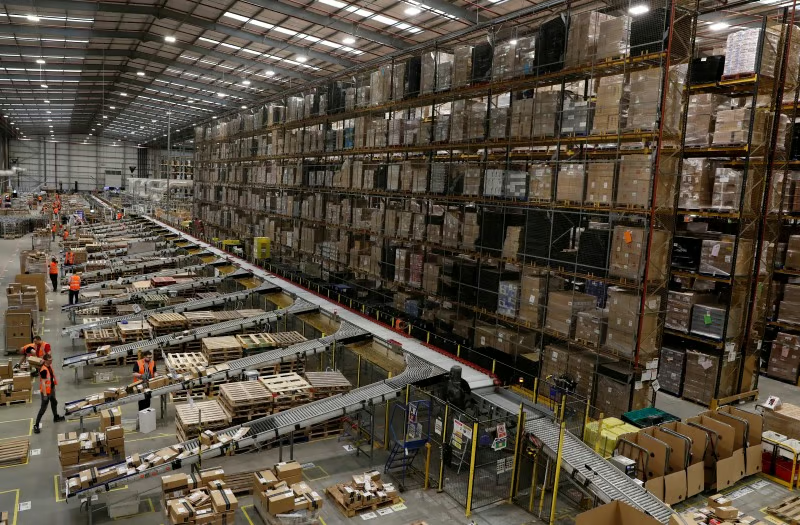
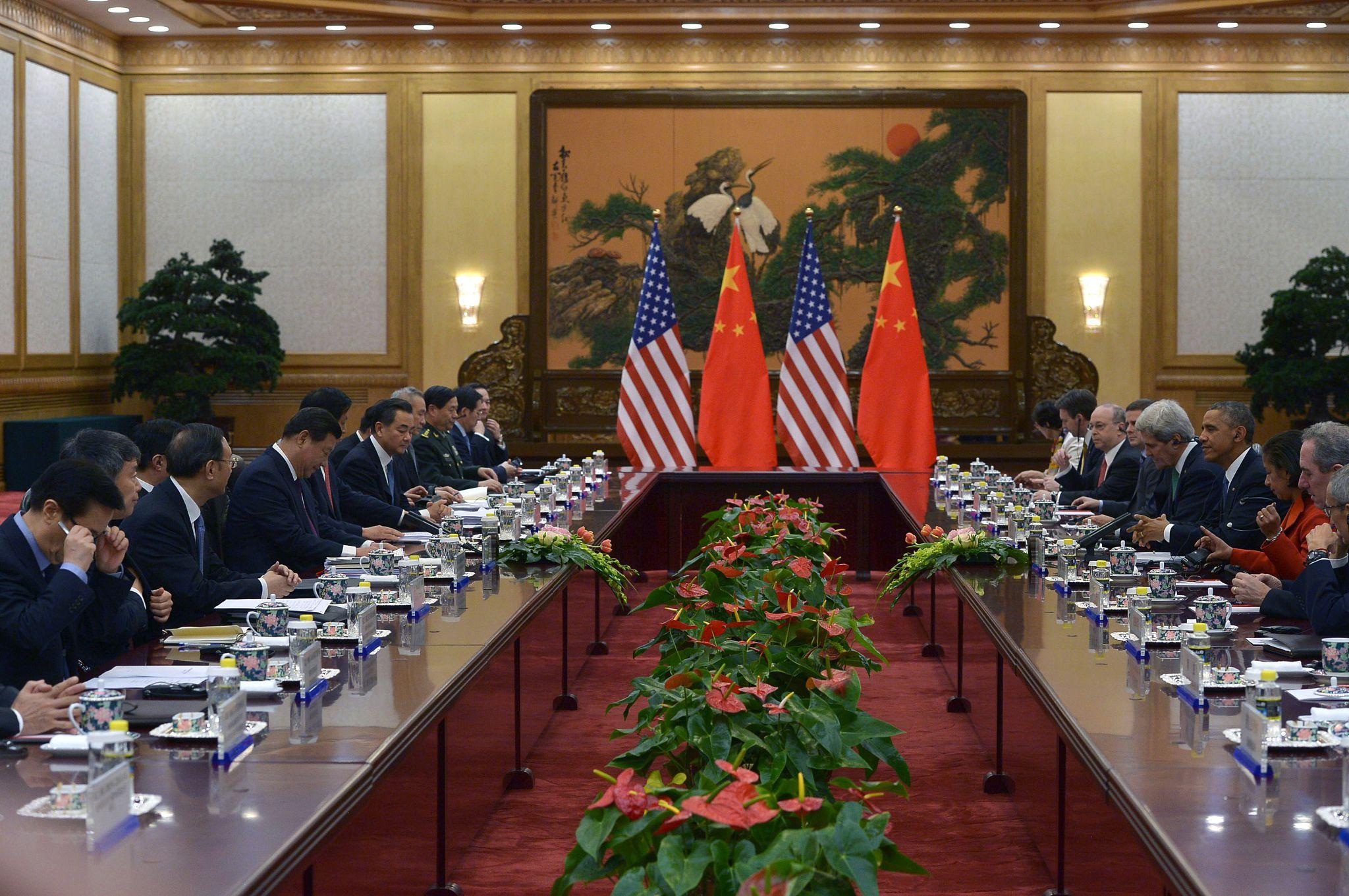
Ongoing global conflicts and trade tensions have disrupted supply chains. Businesses are cautious about expansion amid uncertain global stability.
4. Weak Consumer Spending
Rising living costs have reduced disposable income, especially in developing nations. Retail, automobile, and tech sectors have reported weaker quarterly earnings.
Impact on Major Economies
🇺🇸 United States
The US economy has seen slower GDP growth and declining consumer confidence. Technology and real estate sectors are particularly affected. However, strong employment data is preventing a deeper recession.
🇪🇺 Europe
Europe faces energy supply concerns and reduced manufacturing output. Germany’s industrial sector has reported contractions, affecting the broader Eurozone.
🇮🇳 India
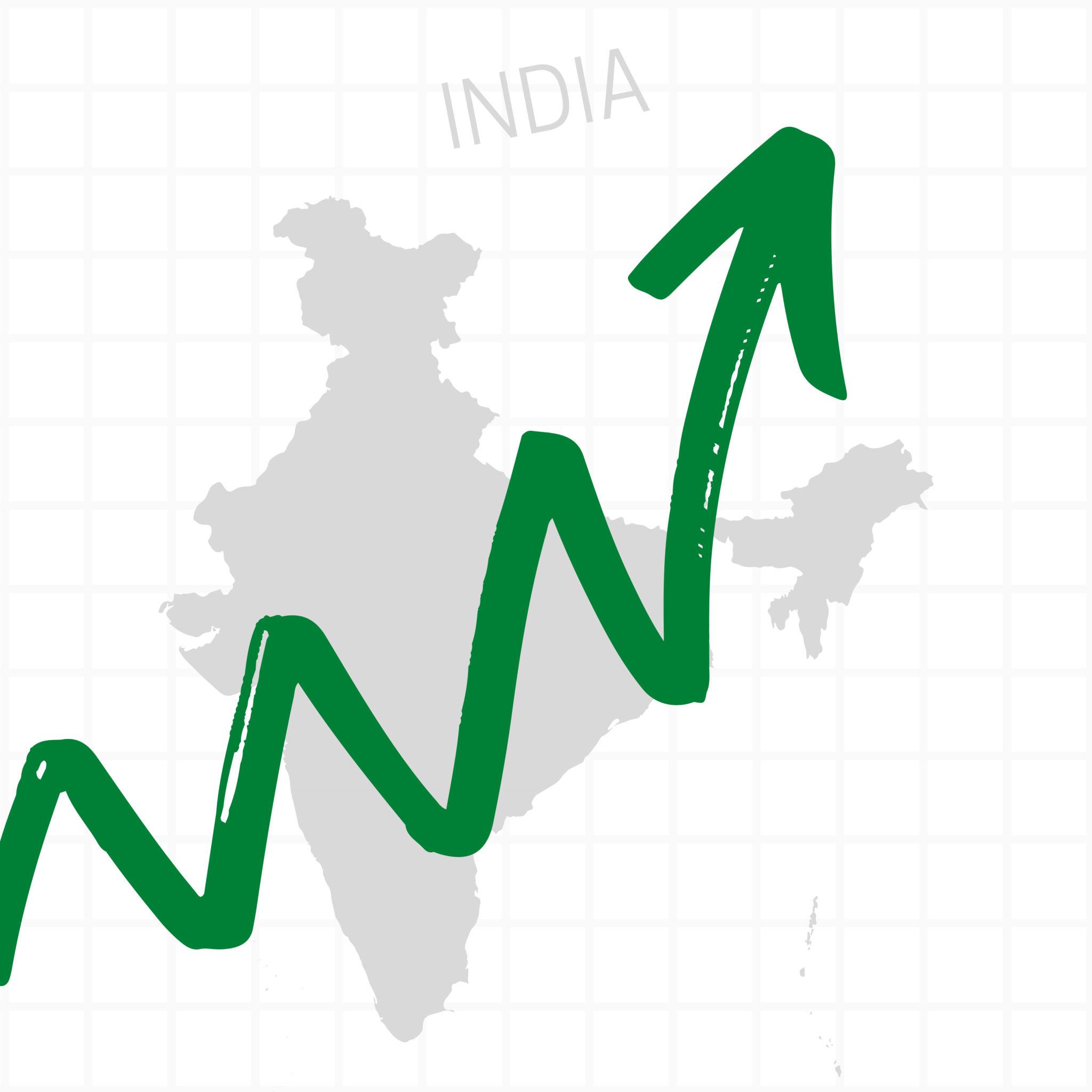
India remains comparatively resilient but is not immune. Export-dependent industries are experiencing lower global demand. However, domestic consumption and infrastructure spending continue to support growth.
How Markets Are Reacting
Global stock markets have shown increased volatility. Investors are shifting toward safer assets like gold and government bonds. Technology stocks, which had surged in previous years, are experiencing corrections.
Financial experts believe that investor sentiment will remain cautious until inflation shows consistent decline.
What Experts Predict Next
Economists suggest three possible scenarios:
- Soft Landing – Inflation gradually declines, allowing central banks to lower interest rates without triggering recession.
- Mild Recession – Growth contracts briefly but stabilizes within a year.
- Prolonged Slowdown – Structural issues and global instability delay recovery beyond 2027.
Most analysts currently lean toward a mild recession scenario rather than a severe financial collapse.
What This Means for Individuals
- Avoid high-risk investments.
- Focus on emergency savings.
- Reduce unnecessary debt.
- Consider diversified portfolios.
For businesses, cost optimization and operational efficiency will be key survival strategies.
Government Response
Governments worldwide are exploring:
- Targeted stimulus packages
- Tax relief for small businesses
- Infrastructure investment
- Digital economy expansion
India, for example, continues infrastructure and manufacturing support programs to stimulate domestic demand.
Conclusion
While the 2026 economic slowdown presents serious challenges, it does not yet resemble a systemic financial crisis. Prudent fiscal policies, controlled inflation, and stable geopolitical conditions could help global markets recover gradually.
The next six to twelve months will be crucial in determining whether the world economy stabilizes or enters a deeper contraction phase.



Leave a Reply